
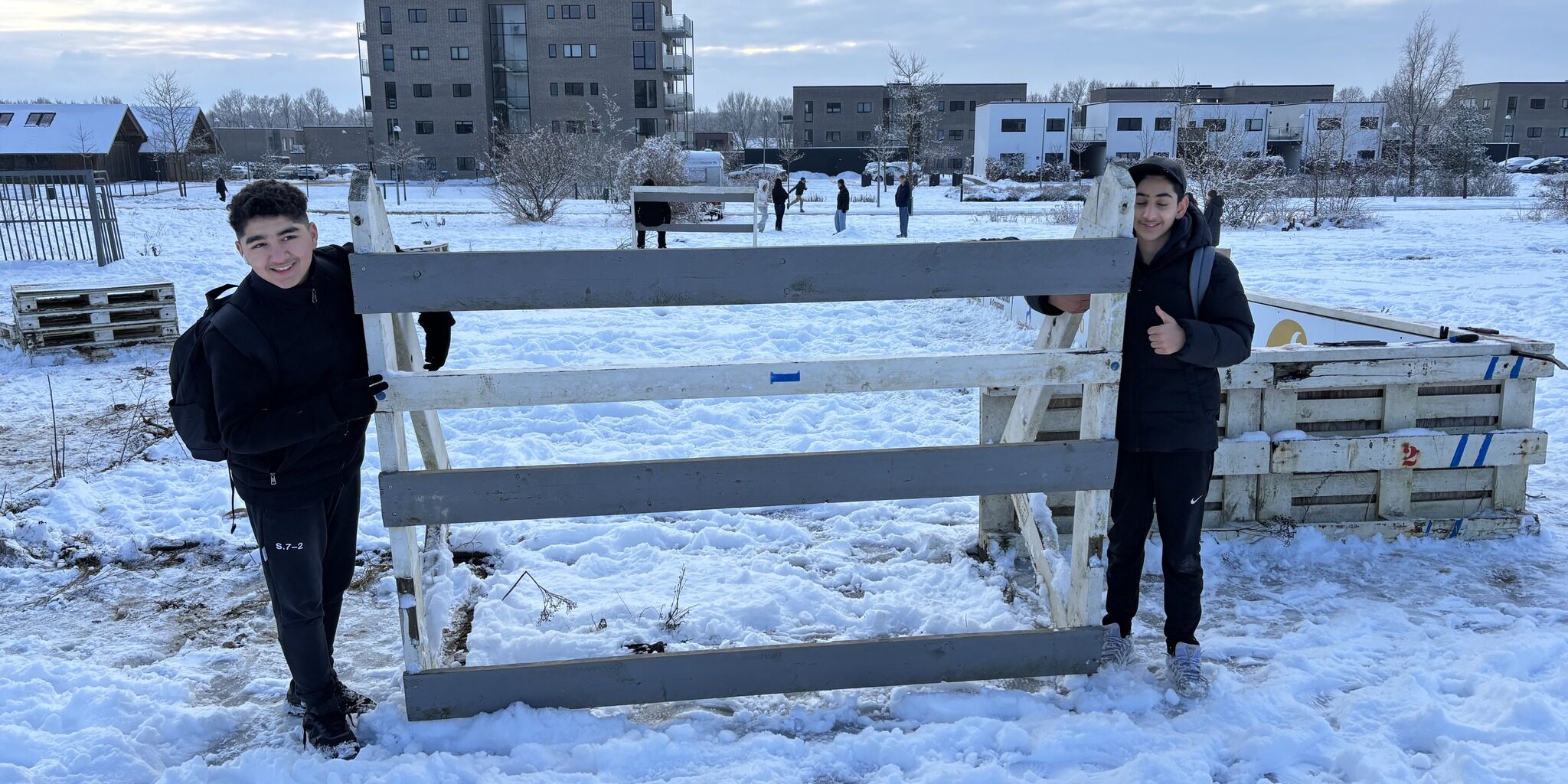
In 2018, an ambitious idea took shape in Høje Tastrup: a mobile ball court designed, built, and driven by young people from Charlottekvarteret in Hedehusene. What started as a challenge soon became a powerful example of youth engagement, community collaboration, and creative problem-solving.
The roots of the project can be traced back to Charlottercup, a local football tournament organized by young people for two consecutive years. The tournament quickly became popular, but after three years the group could no longer borrow an indoor sports hall to continue hosting events. Instead of giving up, they chose a bold alternative: building their own football court—one that could move wherever it was needed.
A Court That Moves With the Community
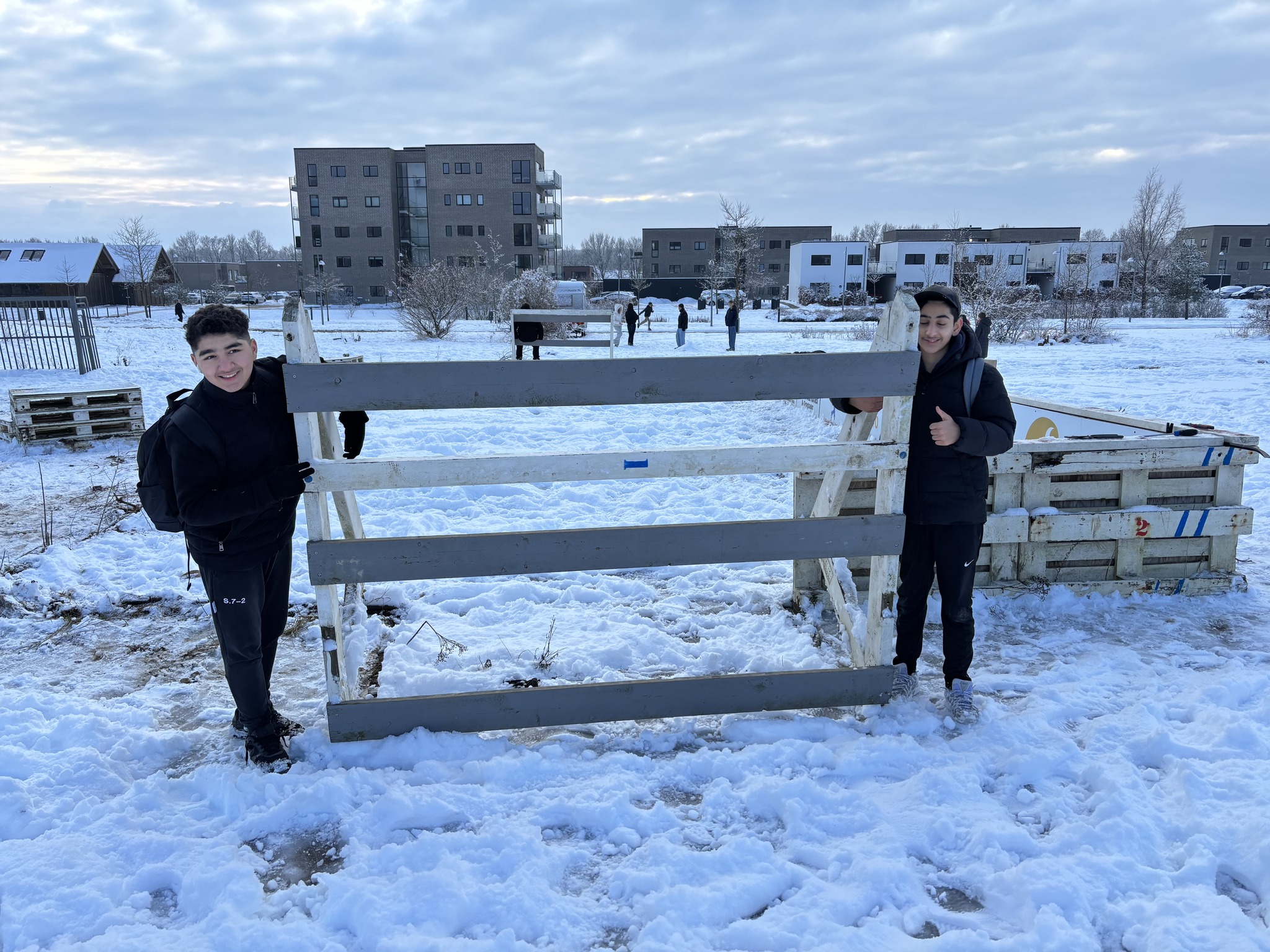
The result was the Charlottekvarterets Mobile Ball Court: a modular, transportable court that could be assembled and dismantled as required. This flexibility allowed the court to be used in multiple locations and for many different purposes. Over the years, it has been a centerpiece at local city festivals, municipal events, school activities, and community gatherings, bringing sport and social life directly into public spaces.
For the past three years, the court has been located at Læringshuset school in Hedehusene, where it has been actively used and has proven both durable and functional. Now, in 2026, the court has been packed up and is ready for its next chapter. A school in Rødovre has expressed interest in borrowing the court and giving it a much-needed makeover, ensuring that it continues to serve new generations of young people.



Collaboration Beyond the Pitch
One of the most remarkable aspects of the project is the collaboration behind it. The ball court was created through a partnership between Charlotteskolen, Roskilde Technical School, the Social Housing Plan, and companies such as DSV, Carhartt, alongside several local businesses.
These businesses were offered free advertising space on the boards around the court. In return, the project helped create job opportunities for parents of the young participants and other members of the local community, strengthening ties between youth initiatives and the local economy. It was not just about football—it was about inclusion, skills development, and shared responsibility.
Built to Last – and to Inspire
Now that the court has been dismantled after years of use, it is clear that it has held up well, both physically and symbolically. While it may need a “loving hand” and some renewal, its story remains strong: a story of young people who refused to accept limitations and instead built something lasting for their community.
The Charlottekvarterets Ball Court stands as a reminder that youth-led projects can create real, tangible change when supported by schools, businesses, and local authorities. Wherever the court is placed next—whether in Rødovre or beyond—it carries with it the spirit of cooperation, creativity, and community that first brought it to life in Høje Tastrup.
For more background on the project, see the video here:
https://youtu.be/MnG310mwDF8?si=czh8fhOMt8hvD6-c