Birgit Larsen and Charlotte Kvarteret: A Story of Belonging, Eight Years On
When Birgit Larsen spoke to TV 2 Kosmopol in 2017, she gave voice to a feeling many residents of Charlotte Kvarteret in Høje Taastrup shared at the time: the feeling of being judged before being known.
At 80 years old, Birgit had already spent much of her life in the area. She worked for 25 years at Charlotteskolen, right in the heart of Charlotteager, and after losing her husband, she chose to move into the neighborhood herself. It was a conscious decision — not one made out of necessity, but out of connection.
“I think it eases the pressure,” she said back then, when Charlotteager was removed from the government’s ghetto list. “It has been like a blanket over us.”
A Neighborhood Beyond the Label
Eight years later, Charlotte Kvarteret stands as a clear example of why labels rarely tell the full story.
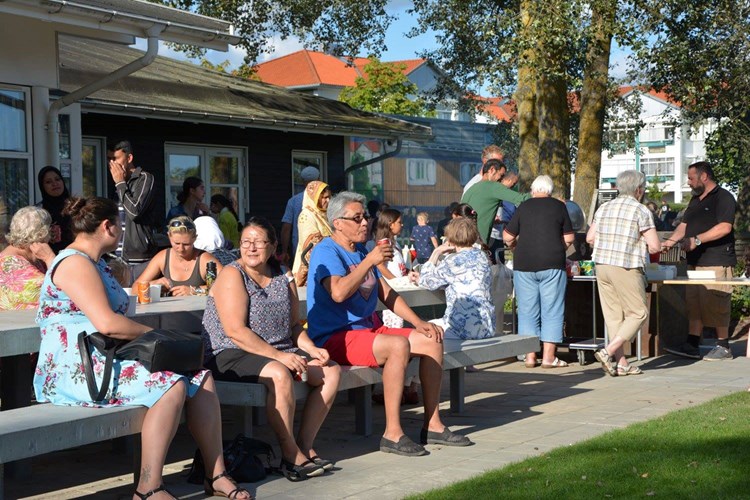
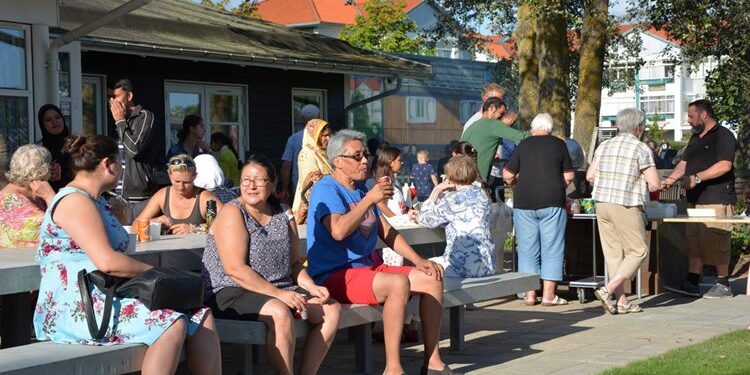
For residents like Birgit, the area has always been more than statistics and headlines. It has been a place of everyday greetings, shared responsibility, and strong relationships across cultures and generations. Children growing up here meet the same adults year after year — in schools, on pathways, on benches built together by local young people and craftsmen.
What once felt like stigma has slowly been replaced by pride.
Community in Practice
The initiatives mentioned in 2017 were not temporary fixes — they became part of the neighborhood’s identity.
Young people earning pocket money by taking care of shared spaces didn’t just reduce vandalism; they built ownership. Mentorships and apprenticeships created real bridges between residents and local businesses. Football teams, resident councils, and informal meeting places strengthened trust across backgrounds.
As one young resident put it at the time, Charlotte Kvarteret was a place where differences were normal — not something to be afraid of.
That spirit still defines the area today.
Birgit’s Legacy
Birgit Larsen never called herself an activist. Yet, by speaking openly and honestly about her experiences, she helped challenge the narrative surrounding Charlotte Kvarteret.
Her story reminds us that communities are shaped by the people who show up every day — who greet their neighbors, care about the next generation, and refuse to accept being reduced to a label.
Charlotte Kvarteret has changed over the years. So has Denmark’s conversation about public housing. But one thing remains constant: this is a neighborhood where people belong.
And for Birgit — and many others — that has always been the most important thing of all.